


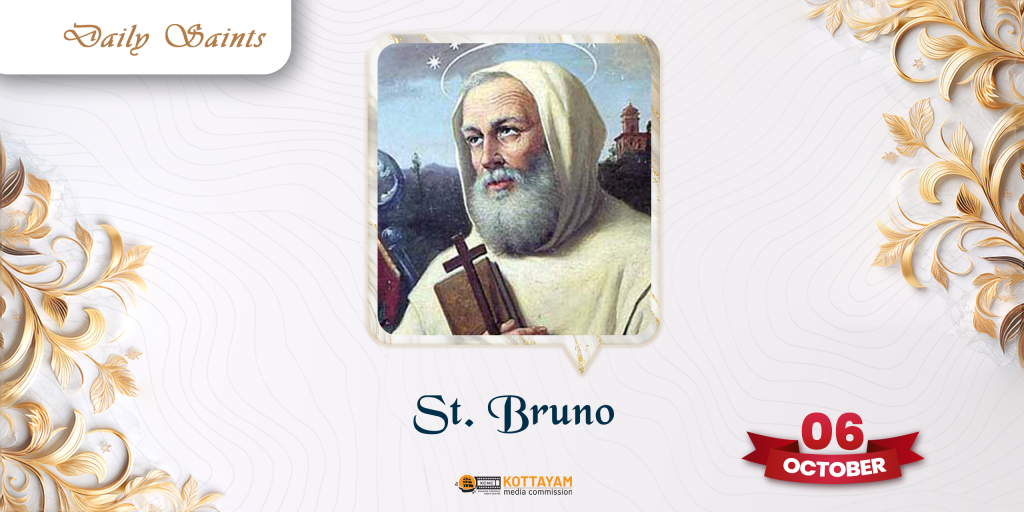
ഏതാണ്ട് 1030-ൽ കൊളോണ് എന്ന സ്ഥലത്ത് ജനിച്ച വിശുദ്ധ ബ്രൂണോ ആണ് കാർത്തുസിയൻസ് എന്ന സന്യാസാശ്രമത്തിന്റെ സ്ഥാപകൻ. ആദ്യകാലങ്ങളിൽ കൊളോണിലെയും റെയിംസിലെയും കാനോണ് ആയാണ് അദ്ദേഹം വർത്തിച്ചിരുന്നത്. റെയിംസിലെയും മനാസ്സിലെയും ആർച്ച് ബിഷപ്പിന്റെ അടിച്ചമർത്തൽ മൂലം അദ്ദേഹം പിന്നീട് ഏകാന്തവാസം നയിക്കുവാൻ തീരുമാനിച്ചു. ചാർട്രെയൂസ് എന്ന സ്ഥലത്താണ് വിശുദ്ധന് ഏകാന്ത വാസം ആരംഭിച്ചത്. പിന്നീട് അദ്ദേഹം കാർത്തുസിയൻ സഭ സ്ഥാപിച്ചു. സഭയിലെ ഏറ്റവും കർക്കശമായതായിരുന്നു അദ്ദേഹം സ്ഥാപിച്ച ആശ്രമം. വിശുദ്ധ ബെനഡിക്റ്റിന്റെ പ്രമാണങ്ങളായ എളിമയും, പരിപൂർണ്ണ നിശബ്ദതയും കാർത്തൂസിയൻസും പിന്തുടർന്നിരുന്നു.
മാംസം പരിപൂർണ്ണമായും വർജ്ജിച്ച് റൊട്ടിയും, പയർവർഗ്ഗങ്ങളും, വെള്ളവും മാത്രം കഴിച്ച് വിശുദ്ധനും ആശ്രമവാസികളും വിശപ്പടക്കി. ഏകാന്തമായ സന്യാസ ജീവിത രീതി അദ്ദേഹം പുനരുജ്ജീവിപ്പിച്ചു. അദേഹത്തിന്റെ അനുയായികൾ ഒരിക്കൽപോലും അദ്ദേഹത്തോട് അവിശ്വസ്തത കാണിക്കുകയോ അദ്ദേഹം കാണിച്ച വഴിയിൽനിന്ന് വ്യതിചലിക്കുകയോ ചെയ്തിട്ടില്ല. ആശ്രമം സ്ഥാപിച്ച് 6 വർഷം കഴിഞ്ഞപ്പോൾ ഉർബൻ രണ്ടാമൻ പാപ്പാ തന്റെ ഉപദേഷ്ടാവായി അദ്ദേഹത്തെ റോമിലേക്ക് വിളിപ്പിച്ചു.
നിറഞ്ഞ മനസ്സോടെ ഈ ക്ഷണം അദ്ദേഹം സ്വീകരിച്ചു. എന്നിരുന്നാലും ഹെൻറി നാലാമന്റെ നടപടികൾ മൂലം പാപ്പാ കാമ്പാനിയയിലേക്ക് രക്ഷപ്പെട്ടപ്പോൾ ബ്രൂണോ ചാർട്രെയൂസിനു സമമായ ലാ റ്റൊറെ എന്ന വിജനപ്രദേശം കണ്ടെത്തുകയും അവിടെ മറ്റൊരാശ്രമത്തിനു അടിസ്ഥാനമിടുകയും ചെയ്തു. 1101 സെപ്റ്റംബർ മാസത്തിൽ അദ്ദേഹം വിവിധ രോഗങ്ങള്ക്ക് അടിമയായി. അതേ വര്ഷം ഒക്ടോബർ 6ന് തന്റെ 71മത്തെ വയസ്സിൽ വിശുദ്ധൻ മരണമടഞ്ഞു. ദേവാലയത്തിന്റെ പ്രകാശം, പൗരോഹിത്യത്തിന്റെ പുഷ്പം, ജർമ്മനിയുടെയും ഫ്രാൻസിന്റെയും മഹത്വം എന്നിങ്ങനെയൊക്കെയാണ് വിശുദ്ധന് അറിയപ്പെടുന്നത്.
Saint Bruno, who was born around 1030 in Cologne, is the founder of the Carthusian monastic order. In the early years, he served as a canon in Cologne and in Reims. Because of the oppression of Archbishop Manasses of Reims, he later decided to lead a solitary life. It was in a place called Chartreuse that the saint began his hermitage. Later he founded the Carthusian Order. The monastery he established was the strictest among all monastic communities. The Carthusians followed the rules of Saint Benedict, particularly humility and complete silence.
They completely abstained from meat and satisfied their hunger only with bread, pulses, and water. He revived the way of life of solitary monks. His disciples never once showed disloyalty to him or deviated from the path he had shown. Six years after founding the monastery, Pope Urban II invited him to Rome as his advisor.
He accepted this invitation wholeheartedly. However, when Pope Urban was forced to flee to Campania because of the actions of Henry IV, Bruno discovered a secluded place called La Torre, similar to Chartreuse, and laid the foundation for another monastery there. In September 1101, he became afflicted with various illnesses. On October 6 of that same year, at the age of 71, the saint passed away. He is known as the Light of the Church, the Flower of the Priesthood, and the Glory of Germany and France.