


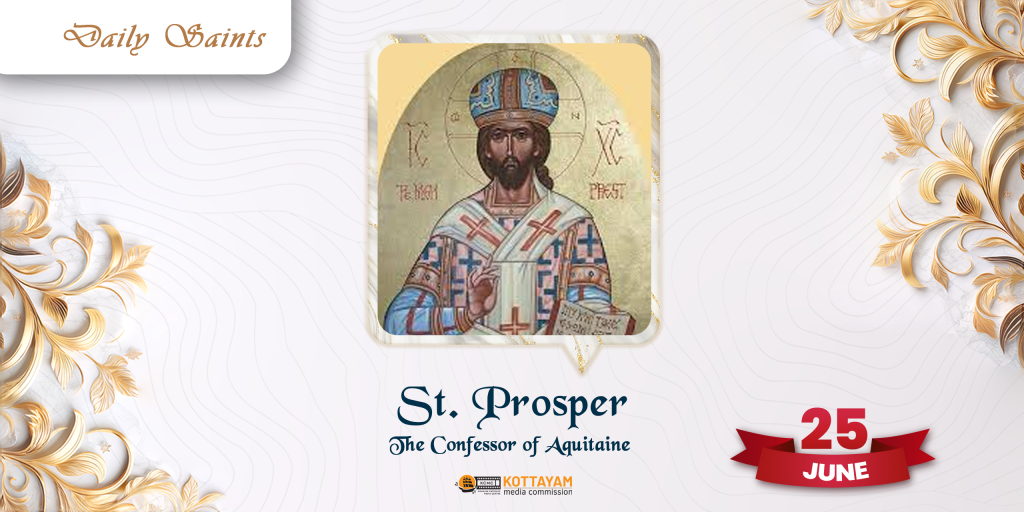
എഡി 403-ലാണ് വിശുദ്ധ പ്രോസ്പെര് ജനിച്ചതെന്ന് കരുതപ്പെടുന്നു. വിശുദ്ധന് തന്റെ യുവത്വത്തില് വ്യാകരണവും, വിശുദ്ധ ലിഖിതങ്ങളും പഠിച്ചിരുന്നുവെന്ന് അദേഹത്തിന്റെ രചനകളില് നിന്നും മനസ്സിലാക്കാവുന്നതാണ്. അദ്ദേഹത്തിന്റെ വിശുദ്ധിയും, ദിവ്യത്വവും കാരണം സമപ്രായക്കാര്വരെ വിശുദ്ധനെ ‘ആദരണീയന്’ അല്ലെങ്കില് ‘ദിവ്യന്’ എന്നിങ്ങനെയൊക്കെയായിരുന്നു വിശേഷിപ്പിച്ചിരുന്നത്. പിന്നീട് വിശുദ്ധന് തന്റെ സ്വന്തം രാജ്യമായ അക്വിറ്റൈന് ഉപേക്ഷിച്ച് പ്രോവെന്സിലോ ഒരുപക്ഷേ മാര്സെയില്ലെസിലോ താമസമുറപ്പിച്ചു.
അക്കാലത്ത് മാര്സെയില്ലെസിലെ ചില പുരോഹിതര് അടങ്ങിയ ഒരുവിഭാഗം വിശുദ്ധ ഓസ്റ്റിന് തന്റെ ഗ്രന്ഥത്തില് പെലജിയാനിസത്തിനെതിരായി പറഞ്ഞിട്ടുള്ള കാര്യങ്ങള് മനുഷ്യരുടെ സ്വതന്ത്രമായി തീരുമാനമെടുക്കാനുള്ള കഴിവിനെ ഹനിക്കുന്നതാണെന്ന് വാദിച്ചുകൊണ്ട് വിവാദങ്ങള് ഉണ്ടാക്കികൊണ്ടിരുന്നു. ദൈവീക സഹായം കൂടാതെ തന്നെ നന്മയും, തിന്മയും തിരിച്ചറിയുവാനുള്ള കഴിവ് മനുഷ്യര്ക്കുണ്ട് എന്നതായിരുന്നു പെലജിയനിസക്കാരുടെ സിദ്ധാന്തം.
എന്നാല് വിശ്വാസത്തിന്റെ തുടക്കം ദൈവാനുഗ്രഹമില്ലാതെ നമ്മുടെ സ്വന്തം ആഗ്രഹത്തിനനുസരിച്ചാണെന്നായിരുന്നു സെമിപെലജിയനിസക്കാരുടെ പ്രമാണം. ഈ രണ്ടു മതവിരുദ്ധ വിഭാഗങ്ങളുടേയും സിദ്ധാന്തങ്ങള് യേശുവും, അപ്പസ്തോലന്മാരും പഠിപ്പിച്ചിട്ടുള്ള സിദ്ധാന്തങ്ങള്ക്കെതിരായിട്ടുള്ളതായിരുന്നു. ഹിലാരി എന്ന് പേരായ ഭക്തനും പണ്ഡിതനുമായിരുന്ന ഒരു അത്മായന്, വിശുദ്ധ ഓസ്റ്റിന്റെ സിദ്ധാന്തത്തേയും, തിരുസഭയോടുള്ള ഭക്തിയേയും സംരക്ഷിക്കുവാനുള്ള ശ്രമങ്ങള് നടത്തിവന്നിരുന്നു. നമ്മുടെ വിശുദ്ധനും അദ്ദേഹത്തിന്റെ ശ്രമങ്ങളില് പങ്കാളിയായി. വിശുദ്ധന്റെ അറിവും, നന്മയും, അസാധാരണമായ കഴിവുകളും അദ്ദേഹത്തെ മതവിരുദ്ധവാദക്കാരെ പ്രതിരോധിക്കുവാന് തക്ക ശക്തിയുള്ള ഒരു മനുഷ്യനാക്കി തീര്ത്തിരുന്നു.
ഹിലാരിയുടെ ഉപദേശത്താല് വിശുദ്ധന്, മാര്സെയില്ലെസിലെ പുരോഹിതന്മാരുടെ തെറ്റുകളെ വിശദീകരിച്ചുകൊണ്ട് വിശുദ്ധ ഓസ്റ്റിന് ഒരു കത്തെഴുതി. അതേതുടര്ന്ന് അവരുടെ വാദങ്ങള് തെറ്റാണെന്ന് തെളിയിക്കുവാനും, അവരെ പറഞ്ഞ് മനസ്സിലാക്കുവാനുമായി വിശുദ്ധ ഓസ്റ്റിന് രണ്ട് ഗ്രന്ഥങ്ങള് തയാറാക്കി. 428-429 കാലയളവിലാണ് ഇക്കാര്യങ്ങള് സംഭവിച്ചത്. സെമിപെലാജിയന്സിനെ ബോധ്യപ്പെടുത്തുവാന് ഈ രണ്ട് ഗ്രന്ഥങ്ങളും പര്യാപ്തമായിരുന്നുവെങ്കിലും, അവരുടെ ഹൃദയങ്ങളെ പരിവര്ത്തനം ചെയ്യുവാന് ഈ ഗ്രന്ഥങ്ങള്ക്ക് കഴിഞ്ഞില്ല.
പാപ്പായുടെ തീരുമാനത്തിനനുസരിച്ച് മാത്രമേ തങ്ങള് നില്ക്കുകയുള്ളൂവെന്നു സെമി-പെലാജിയന്സ് പ്രഖ്യാപിച്ചതോടെ വിശുദ്ധ പ്രോസ്പെറും, ഹിലാരിയും വളരെയേറെ ആവേശപൂര്വ്വം റോമില് പോവുകയും, പാപ്പായെ ഈ വിവരങ്ങള് ധരിപ്പിക്കുകയും ചെയ്തു. ഈ വിവരങ്ങള് അറിഞ്ഞ സെലസ്റ്റിന് പാപ്പാ മാര്സെയില്ലെസിലേയും, സമീപ പ്രദേശങ്ങളിലേയും മെത്രാന്മാര്ക്ക് വിശുദ്ധന് ഓസ്റ്റിന്റെ സിദ്ധാന്തങ്ങളെ ന്യായീകരിച്ചുകൊണ്ട് സൈദ്ധാന്തികമായ ഒരു കത്തെഴുതി. എന്നാല് വേദപാരംഗതനായ വിശുദ്ധ ഓസ്റ്റിന് 431-ല് മരിച്ചതിനു ശേഷമാണ് ഈ സംഭവവികാസങ്ങള് ഉണ്ടായത്.
പക്ഷേ പ്രശ്നങ്ങള് അതുകൊണ്ടും തീര്ന്നില്ല, അതിനാല് മതവിരുദ്ധവാദികളെ തന്റെ തൂലികകൊണ്ട് നേരിടുവാന് വിശുദ്ധന് തീരുമാനിച്ചു. തുടര്ന്നാണ് ‘നന്ദിയില്ലാത്തവര്’ എന്ന കവിത വിശുദ്ധന് രചിച്ചത്. ഏതാണ്ട് 431-ലാണ് ഈ കവിത തയാറാക്കപ്പെട്ടതെന്ന് ചരിത്രകാരന്മാര് അനുമാനിക്കുന്നു. കവിതയുടെ ശീര്ഷകത്തിലൂടെ സെമിപെലാജിയനിസക്കാരേയാണ് വിശുദ്ധന് ഉദ്ദേശിച്ചിരിക്കുന്നത്. ഇത് വിശുദ്ധന്റെ ഏറ്റവും വിശേഷപ്പെട്ട ഒരു രചനയായി പരിഗണിക്കപ്പെടുന്നു.
440-ല് പാപ്പായായി തിരഞ്ഞെടുക്കപ്പെട്ട മഹാനായ വിശുദ്ധ ലിയോ, വിശുദ്ധ പ്രോസ്പറിനെ റോമിലേക്ക് ക്ഷണിക്കുകയും തന്റെ സെക്രട്ടറിയായി നിയമിച്ചുകൊണ്ട് സഭയുടെ പല പ്രധാനപ്പെട്ട ഉത്തരവാദിത്വങ്ങളും വിശുദ്ധനെ ഏല്പ്പിക്കുകയും ചെയ്തു. തലസ്ഥാന നഗരിയില് വീണ്ടും വളര്ച്ച പ്രാപിച്ച് കൊണ്ടിരിന്ന പെലജിയന് മതവിരുദ്ധവാദത്തെ വിശുദ്ധന് തന്നാല് കഴിയും വിധം ഇല്ലാതാക്കി. വിശുദ്ധ പ്രോസ്പര് ‘നന്ദിയില്ലാത്തവര്’ എന്ന കവിതക്ക് പുറമേ ചില ചെറിയ പദ്യങ്ങളും രചിച്ചിട്ടുണ്ട്. അതിലൊന്നാണ് ‘നെസ്റ്റൊറിയന്, പെലജിയന് മതവിരുദ്ധ വാദങ്ങള്ക്കൊരു ചരമക്കുറിപ്പ്’ എന്ന ചെറു കവിത. കൂടാതെ വിശുദ്ധ ഓസ്റ്റിന്റെ ശത്രുക്കള്ക്കെതിരായി രണ്ട് ലഘു കവിതകളും വിശുദ്ധന് രചിച്ചിട്ടുണ്ട്.
എന്നാല് ഇതിനിടെ സെമിപെലജിയന് വാദികള്വിശുദ്ധനെതിരെ പല ദോഷാരോപണങ്ങളും പ്രസിദ്ധീകരിച്ചു. ഇതിനുപുറമേ ഗൗളിഷ് പുരോഹിതന് എന്ന് കരുതപ്പെടുന്ന വിന്സെന്റ് എന്ന് പേരായ ഒരാള് വിശുദ്ധന്റെ രചനക്കെതിരായി പതിനാറോളം രചനകള് പ്രസിദ്ധീകരിച്ചു. അതിനെതിരായി വിശുദ്ധ പ്രോസ്പര് രണ്ട് ഗ്രന്ഥങ്ങള് രചിച്ചുകൊണ്ട് അവരുടെ ആക്ഷേപങ്ങളെ ഖണ്ഡിച്ചു. അതിലൊന്ന് ഗൗളുകളുടെ ആക്ഷേപത്തിനുള്ള മറുപടിയും, മറ്റൊന്ന് വിന്സെന്റിന്റെ ആക്ഷേപത്തിനുള്ള മറുപടിയുമായിരുന്നു. ജെനോവയിലെ രണ്ട് പുരോഹിതന്മാര്ക്കായി വിശുദ്ധന് എഴുതിയ ഒരു ഗ്രന്ഥത്തിന്റെ ഉള്ളടക്കം വിശുദ്ധ ഓസ്റ്റിന്റെ രചനകളിലെ ചില വാക്യങ്ങളുടെ വ്യാഖ്യാനമായിരുന്നു.
മാര്സെയില്ലെസിലെ ആശ്രമാധിപതിയായിരുന്ന കാസ്സിയന് തന്റെ ഗ്രന്ഥം വഴി വിശ്വാസത്തിന്റെ തുടക്കം മനുഷ്യരില് നിന്നുമാണെന്ന് വാദിച്ചപ്പോള് വിശുദ്ധന് അദ്ദേഹത്തിന്റെ രചനയില് നിന്നും പന്ത്രണ്ട് ഭാഗങ്ങള് എടുത്ത്, അവയിലെ തെറ്റുകള് ചൂണ്ടികാട്ടുകയും, പെലജിയന് വാദികള്ക്കെതിരായി പുറത്തിറക്കിയ പ്രമാണങ്ങള് വഴി തിരുസഭ നിന്ദിച്ചിട്ടുള്ളവവയാണ് അദ്ദേഹത്തിന്റെ ആശയങ്ങളെന്ന് സമര്ത്ഥിക്കുകയും ചെയ്തു. വിശുദ്ധ ഓസ്റ്റിന്റെ രചനകളെ അടിസ്ഥാനമാക്കി വിശുദ്ധ പ്രോസ്പര് രചിച്ച നാനൂറോളം ആപ്തവാക്യങ്ങളടങ്ങിയ ഗ്രന്ഥം ‘ദൈവാനുഗ്രഹ സിദ്ധാന്തത്തിന്റെ’ വിശേഷപ്പെട്ട കൃതിയായി കണക്കാക്കപ്പെടുന്നു. വിശുദ്ധനെഴുതിയ ചരിത്രഗ്രന്ഥം ലോകത്തിന്റെ ആരംഭത്തേപ്പറ്റി വിവരിച്ചുകൊണ്ട് ആരംഭിച്ച് എ.ഡി 455 വരെയുള്ള കാര്യങ്ങള് പ്രതിപാദിച്ചുകൊണ്ടവസാനിക്കുന്നു. വിശുദ്ധ പ്രോസ്പെറിന്റെ മരണത്തെ പറ്റി കാര്യമായ വിവരങള് ലഭ്യമല്ലെങ്കിലും അദ്ദേഹത്തിന്റെ നാമം റോമന് രക്തസാക്ഷിത്വ പട്ടികയില് ചേര്ക്കപ്പെട്ടിട്ടുണ്ട്.
Saint Prosper is believed to have been born in AD 403. From his writings, it is understood that he studied grammar and Holy Scriptures in his youth. Due to his holiness and spiritual depth, even those of his own age referred to him with titles like “Venerable” or “Divine.” Later, the saint left his native region of Aquitaine and settled either in Provence or possibly in Marseilles.
At that time, a group of priests in Marseilles argued that certain points made by Saint Augustine in his writings against Pelagianism undermined human free will. The Pelagians taught that human beings, even without divine assistance, have the ability to distinguish between good and evil.
The Semi-Pelagians, on the other hand, believed that the beginning of faith depended on a person’s own will and not on divine grace. Both of these heretical positions were contrary to the teachings of Jesus and the Apostles. A devout and scholarly man named Hilary was already making efforts to defend Saint Augustine’s doctrines and to uphold the devotion to the Church. Our saint, too, joined him in these efforts. Prosper’s wisdom, virtue, and extraordinary talents made him a powerful figure capable of confronting the heretical doctrines.
Following Hilary’s advice, the saint wrote a letter to Saint Augustine, explaining the errors of the priests in Marseilles. This prompted Augustine to write two treatises to refute their arguments and persuade them. These events took place between the years 428 and 429. Although these treatises were sufficient to prove the falsehood of Semi-Pelagianism, they failed to convert the hearts of its followers.
When the Semi-Pelagians declared that they would accept only the Pope’s decision, Saint Prosper and Hilary enthusiastically traveled to Rome and informed the Pope about these issues. After learning the details, Pope Celestine wrote a theological letter to the bishops of Marseilles and nearby regions, defending Augustine’s doctrines. However, these events occurred after the death of the highly learned Saint Augustine in 431.
Yet the controversies did not end there. Therefore, Saint Prosper decided to confront the heretics through his writings. It was then that he composed the poem “Against the Ungrateful.” Historians estimate that this poem was written around the year 431. The title clearly refers to the Semi-Pelagians. This work is considered one of Prosper’s most distinguished writings.
In 440, when the great Saint Leo was elected Pope, he invited Saint Prosper to Rome and appointed him as his secretary, entrusting him with several important responsibilities of the Church. With Prosper’s efforts, the Pelagian heresy, which had regained strength in the capital, was thoroughly eradicated. Besides “Against the Ungrateful,” Prosper also composed some short poems. One of these was “An Epitaph for the Heresies of Nestorius and Pelagius.” In addition, he wrote two short poems against the enemies of Saint Augustine.
Meanwhile, the Semi-Pelagian followers launched many accusations against the saint. Furthermore, a person named Vincent, believed to be a Gallic priest, published around sixteen writings opposing Prosper’s works. In response, Saint Prosper wrote two books rebutting these accusations—one as a reply to the criticisms of the Gauls and the other specifically addressing Vincent’s objections. A work he wrote for two priests of Genoa was essentially an explanation of certain statements found in Augustine’s writings.
When Cassian, who was the abbot of a monastery in Marseilles, argued in one of his books that the beginning of faith originates in humans, Saint Prosper extracted twelve passages from that book, pointed out the errors in them, and argued that Cassian’s ideas were akin to Pelagianism and an affront to the Church. Based on the writings of Saint Augustine, Prosper composed a work containing around 400 aphorisms, which came to be considered a notable treatise on the doctrine of divine grace.
A historical work written by Saint Prosper begins with the origin of the world and ends with events up to AD 455. Although we do not have clear information about the circumstances of his death, his name has been included in the Roman martyrology.